


The Hoodie
The hoodie originated from medieval hooded garments and evolved into a modern cultural and fashion icon, first popularized in the 1930s by Champion.
Invention of the Modern Hoodie
The modern hoodie as we know it was invented in the 1930s by the Knickerbocker Knitting Company, later known as Champion. Champion added a hood to the existing sweatshirt design to provide extra warmth for factory workers and athletes in cold conditions. This innovation made the hoodie functional for sports, labor, and outdoor activities, and it quickly became a staple in athletic wear. Benjamin Russell, working with Champion, is often credited with developing the first hooded sweatshirt.
A Brief History of the Pantone Color of the Year
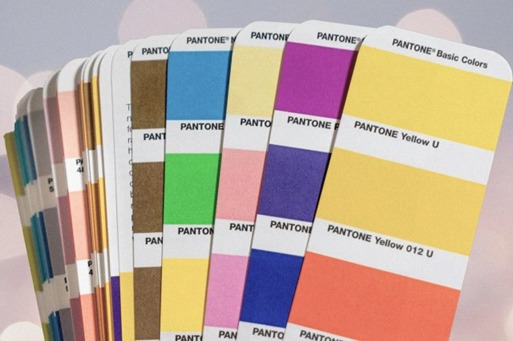
Pantone was established in 1962 to solve a problem the founder noticed while working at a commercial printing company: There was no standard language to describe different shades of color.
In 1962, Lawrence Herbert founded Pantone to solve a problem he noticed while working at a commercial printing company: There was no standard language to describe different shades of color. The printer he worked for specialized in color charts for the cosmetics and fashion industries, but there was no easy way to match the specific hues that designers needed. For instance, the printer created color swatches for customers to use to match their skin tones with pantyhose, yet ink manufacturers defined shades such as beige and cream differently. Recognizing the need for a universal language of color, Herbert set out to create a graphic standards system that could be used for color matching worldwide.
The Pantone Matching System Is Born
Herbert drew on his chemistry background to hand-mix his own combinations of color tones, developing a series of shades that were each given a unique name — descriptors such as “Greenery” or “Tangerine Tango” — and a number (15-4020, 19-1664, and so on). The result was the Pantone Matching System, which was presented as a book of swatches that fanned out to showcase a rainbow of standardized colors. A name and number combination would consistently yield the same results because each color tone contained an exact ink formula. By the 1970s, Pantone had sold more than 100,000 swatch books and expanded into the industrial, plastics, and fashion markets. The Pantone process was digitized in the 1980s, and the Pantone Color Institute was founded in 1986 to educate designers about color, the way it’s described, and, in more recent years, the psychology that helps determine the Pantone Color of the Year.
Origin of Buttons
Historical Background
Buttons are believed to have originated in the Indus Valley Civilization around 2800–2600 BC. Initially, they were not used as fasteners but rather as ornamental objects. The earliest known buttons were made from seashells and served decorative purposes.
Evolution of Buttons
Over time, buttons evolved from simple decorative items into functional fasteners. This transition occurred as the concept of the buttonhole was developed, allowing buttons to be used effectively in clothing. The use of buttons became more widespread in various cultures, including ancient Rome and medieval Europe, where they were often made from materials like metal, wood, and bone.
Key Milestones
- Indus Valley Civilization (c. 2800–2600 BC): First known buttons made from seashells.
- Medieval Europe (13th century): Invention of the buttonhole, leading to the functional use of buttons.
- Renaissance (14th–17th centuries): Buttons became symbols of wealth and status, often made from precious materials.
This rich history highlights the button’s journey from a decorative element to an essential component of modern clothing.